SQLBits 2026: Why Data Pros Return
SQLBits in Wales: peer-driven, recorded training and no-hard-sell sessions for SQL Server, Azure SQL, Power BI
Key insights
- SQLBits 2026
Runs April 22–25, 2026 at ICC Wales and welcomes Data Engineers, DBAs, Data Analysts, Architects, Data Scientists, and C-suite leaders. - Attendee-first format
The program uses recorded sessions, flexible training-day formats, and varied session lengths while avoiding hard-sell vendor pitches to focus on learning. - Practical learning
Speakers share battle-tested solutions and real-world case studies, so you get actionable techniques rather than marketing demos. - Networking & community
Evening and informal events let you meet peers, ask real questions, and build relationships that accelerate problem solving. - Technical highlights
Sessions cover the latest platform trends and features—examples include new DAX time-intelligence functions—making the conference valuable for Power BI and Microsoft data professionals. - Logistics & access
Tickets cover Wednesday–Friday with an optional free Saturday; recorded content and on-site accommodation options (including premium hotels) help attendees fit learning into busy schedules.
Overview: A timely conversation about live events
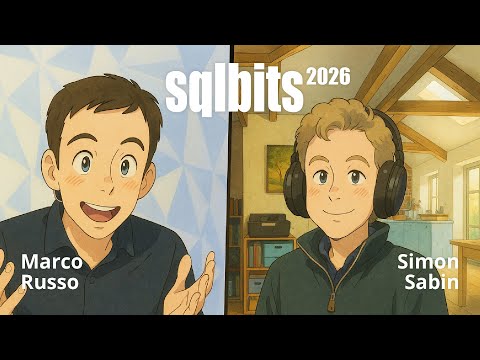
The YouTube video from SQLBI features Marco Russo in conversation with Simon Sabin, the founder and director of SQLBits, and it asks a straightforward question: why attend conferences in 2026. The discussion cuts through marketing noise to focus on concrete benefits like peer interaction and practical learning. Moreover, the hosts stress that recorded demos and vendor pitches cannot fully replace face-to-face problem-solving and nuanced discussion.
The video also highlights the upcoming SQLBits 2026 event at ICC Wales and frames it as a strong example of how conferences can serve diverse data roles. Consequently, viewers learn that the event targets Data Engineers, Analysts, DBAs, Architects, Data Scientists, and executives. In addition, the hosts emphasize a program mix that supports both newcomers and experienced professionals.
Why conferences still matter for data professionals
First, the speakers argue that conferences provide spontaneous learning moments that are hard to reproduce online. For example, hallway conversations, quick clarifications after sessions, and live Q&A yield practical answers to tricky technical problems. Furthermore, the hosts point out that in-person settings foster trust and community, which often lead to ongoing collaboration after the event.
Second, the video recognizes the role of AI tools such as ChatGPT while clarifying their limits for professional development. While these tools efficiently surface ideas, they rarely replace the deep context and tacit knowledge shared by seasoned practitioners. Therefore, attending a conference remains valuable for learning battle-tested approaches and realistic tradeoffs.
What SQLBits 2026 promises attendees
The hosts describe a practical conference format that prioritizes attendee needs over heavy vendor promotion. For instance, the program includes recorded sessions, flexible training-day layouts, varied session lengths, and minimal hard selling to keep content useful and accessible. Moreover, evening networking events and themed social gatherings are designed to build community in a relaxed way.
The video also highlights curricular updates and technical topics that reflect ongoing platform changes, such as new DAX functions and calendar-based time intelligence relevant to Power BI users. As a result, attendees can expect sessions that mix new features with real-world application stories. Additionally, the ticket structure offers flexible attendance options to match different commitments and budgets.
Balancing tradeoffs: content depth, cost, and accessibility
The conversation explains several tradeoffs organizers and attendees must balance, starting with depth versus breadth of sessions. Deep, hands-on workshops give practical skills but limit how many people can participate, whereas shorter talks can reach more attendees but often stay high-level. Consequently, SQLBits aims for a mix that lets beginners build foundations while allowing experts to dive into advanced topics.
Cost represents another tradeoff, and the hosts concede that premium venues and curated social events increase price. However, they argue that bundled options with accommodation and streamlined schedules can reduce travel friction and improve return on investment. Still, the challenge remains to keep the event affordable and inclusive, which requires careful planning and sponsorship choices.
Challenges and practical advice for prospective attendees
The video identifies practical challenges such as choosing the right sessions and managing time during multi-day events. To address this, the speakers recommend planning ahead, prioritizing sessions that solve immediate problems, and leaving time for unplanned conversations. Moreover, they suggest balancing training days with shorter talks to maximize learning while avoiding burnout.
Another challenge is translating conference learning into workplace impact after returning home. The hosts advise documenting key takeaways, sharing concise summaries with colleagues, and scheduling follow-up sessions to test new techniques. Ultimately, the success of conference learning depends on deliberate application and peer review back on the job.
Takeaway: purposeful, community-focused events still add value
In summary, the SQLBI video makes a clear case that live conferences like SQLBits 2026 remain relevant because they combine learning, community, and serendipity in ways that digital formats struggle to match. The event's attendee-first format, practical content, and networking opportunities aim to deliver measurable outcomes for diverse data practitioners. Therefore, professionals should weigh the investment against the tangible benefits of hands-on learning and direct peer feedback.
Finally, for those considering attendance, the hosts recommend focusing on practical sessions and networking goals rather than treating the conference as a passive content feed. With careful planning and a clear purpose, conferences can accelerate skill growth and create lasting professional ties that extend well beyond the event itself.
https://hubsite365cdn001img.azureedge.net/SiteAssets/TopicImages/marvin-meyer-SYTO3xs06fU-unsplash.jpgKeywords
data conferences, sqlbits, sql conference, data professional conferences, networking for data pros, conference benefits for data professionals, sql training conference, data community events