Microsoft Entra
May 24, 2026 10:31 PM
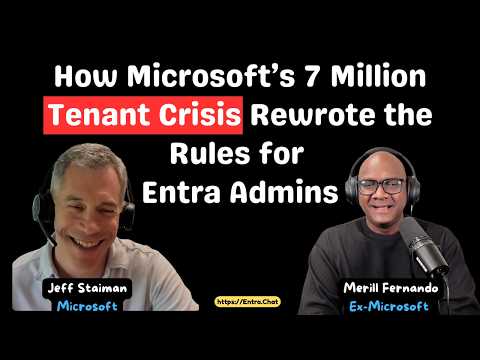
Entra Governance: Stop Shadow Tenants
by HubSite 365 about Merill Fernando
Product Manager @ Microsoft 👉 Sign up to Entra.News my weekly newsletter on all things Microsoft Entra | Creator of cmd.ms & idPowerToys.com
Entra Governance after Midnight Blizzard: discover shadow tenants, stop drift, secure tenants with Intune Teams Exchange
Key insights
- Related Tenants: Automatically finds tenants connected to your organization using signals like B2B sign-ins, multitenant app consents, and billing relationships.
This discovery exposed the risk that the Midnight Blizzard attack exploited: unknown test tenants can let attackers move laterally. - Configuration Drift: Define a "Golden Configuration" baseline and monitor it regularly to spot weakened security settings.
The service checks 200+ resource types across Entra, Intune, Teams, and Exchange and alerts when drift appears. - Three-Step Handshake: A strict trust flow prevents accidental or malicious takeovers between tenants.
If tenants lack a billing link, the governed tenant must invite the governing tenant before any control is granted. - Discovery Signals: Uses telemetry such as sign-in logs, app consent events, and billing ties to map exposure.
Microsoft plans to add device and network telemetry to catch tenants accessed from corporate endpoints. - Licensing Model: Tenant Governance is licensed by the number of admins who use the feature, not by every user.
This approach makes securing large multi-tenant estates more affordable for many organizations. - Secure Tenant Creation & Where to Start: Use secure tenant creation, governance templates, and governed relationships to control new and existing tenants.
Begin with discovery, set baselines, enable drift monitoring, and then apply governance to high-risk or unmanaged tenants.

Keywords
Entra governance, shadow tenants, Microsoft Entra best practices, Azure AD tenant governance, prevent tenant sprawl, stop shadow tenants, tenant lifecycle management Azure, identity governance Entra