Video overview and context
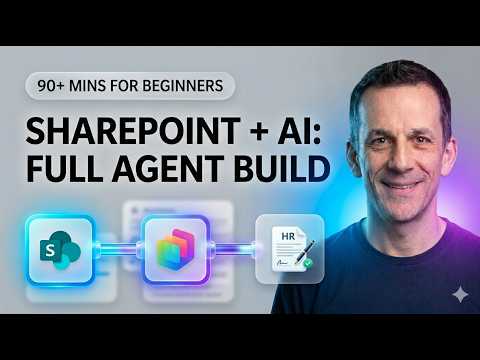
On his YouTube channel, Damien Bird demonstrates a live build to create an HR-focused agent that generates contract offers. He walks viewers through a 100% end-to-end workflow using Copilot Studio, showing how to produce a contract template, synthesize sample data, craft the flow, assemble the agent, and then test it. As a result, the video serves both as a practical tutorial and as a realistic look at automation in HR processes. Consequently, the presentation targets developers and HR technologists who want to explore generative automation with the Power Platform.
Technical approach in Copilot Studio
In the video, Damien Bird relies on prompt-driven steps to scaffold templates and sample inputs, which then feed into agent logic that assembles the offers. He shows how a well-structured prompt can produce a usable contract draft, while the agent layers routing, validation, and simple business rules on top of that draft to increase quality. Through this demonstration, viewers can see how automation frameworks can combine natural language generation with deterministic steps to produce reliable outputs. Therefore, the approach emphasizes a mix of generative AI convenience and rule-based control to keep results consistent.
Moreover, the demo highlights connecting the generated content back into the wider environment, such as data sources and approval flows within the Power Platform. Damien Bird explains that sample data and templates reduce friction during testing, and that the flow must account for variations in employee details, compensation terms, and jurisdictional clauses. He also points out that handling these differences often requires conditional logic and template variants to avoid manual corrections. Thus, the architecture he presents balances automation speed with the need for structured, maintainable content.
Tradeoffs: automation versus accuracy
The video also explores tradeoffs when delegating contract drafting to an automated agent, especially the tension between speed and legal precision. While generative prompts can produce polished language quickly, the content may still need legal review to ensure compliance with local laws and company policy. Consequently, the most practical designs keep a human-in-the-loop for final approval and maintain audit trails for changes and signoffs. This compromise preserves efficiency while protecting the organization from contractual or regulatory risk.
In addition, the demo discusses model behavior and the risk of unexpected outputs, often termed hallucination, which underscores the importance of guardrails and deterministic checks. Damien Bird suggests including validation steps that cross-check critical fields such as compensation, dates, and role titles against authoritative data sources. Accordingly, teams must plan for error handling and explicit fallback logic to prevent misleading contract text from progressing through approvals. Ultimately, sound governance and layered validation help reconcile automation benefits with legal responsibilities.
Integration, security, and governance challenges
Integration into HR systems presents practical hurdles that the video covers plainly, including mapping data fields, handling personal data, and coordinating approval flows across roles. Secure handling of employee records is essential, so Damien Bird recommends applying standard data protection practices and restricting access to generated content until it receives proper review. Moreover, teams should document data flows and retention to satisfy compliance obligations and to make audits straightforward. Thus, technical integration is as much about process and policy as it is about connectors and APIs.
Furthermore, the demo outlines governance approaches that include versioning of templates, traceable prompts, and change control for agent logic. Monitoring and logging provide accountability, while clear role assignments prevent unauthorized edits or releases of contract language. While these controls add complexity, they reduce legal exposure and improve long-term maintainability. Hence, organizations should weigh initial implementation costs against the benefits of predictable, auditable automation.
Testing, adoption, and next steps
Testing forms a large part of the live build, where sample data and iterative refinement reveal edge cases and template mismatches. Damien Bird emphasizes iterative testing cycles, involving HR partners and legal reviewers early so the agent can adapt to real-world scenarios quickly. This collaborative approach speeds adoption because stakeholders see how the tool addresses their specific needs and concerns. Therefore, organizations should plan pilot phases and include feedback loops to refine templates and flows.
For teams exploring a similar project, the video recommends consulting official product roadmaps and documentation, studying learning resources, and engaging community forums for practical tips. These resources help teams understand licensing models, supported connectors, and recommended patterns for building agents in enterprise settings. In summary, the live session provides a practical blueprint while also stressing that success depends on rigorous testing, governance, and human oversight when deploying automated contract offers in HR.