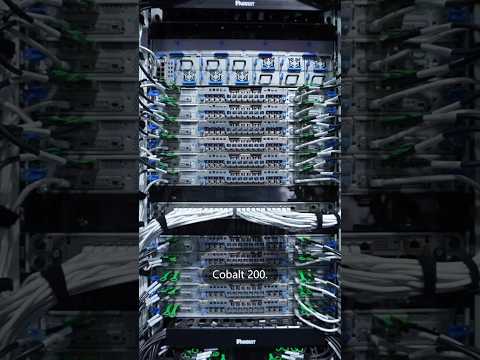
Azure Cobalt 200: what the new Arm VMs offer
Azure Cobalt 200 is generally available for customers seeking Arm-based compute for cloud-native and data-intensive workloads.
Key insights
- Cobalt 200 became generally available in November 2026 and is available in 14 Azure regions.
- Microsoft reports up to 50% higher CPU performance than the Cobalt 100 generation.
- Cobalt 200 VMs use Arm64 processors, so workloads need Arm64-compatible software.
- Mpsv4 targets large in-memory databases; Lpsv5 targets storage-intensive workloads.
- The platform is designed for general-purpose compute, including AI-agent support tasks, not as a replacement for AI accelerators.
Azure Cobalt 200 is Microsoft’s latest Arm-based Azure compute platform, with Microsoft reporting up to 50% higher CPU performance than its Cobalt 100 predecessor. It matters to Azure architects and developers evaluating compute for cloud-native, data-intensive and AI-support workloads. Microsoft Azure presents the Cobalt platform in a YouTube Short featuring Pat Stemen.
What's new
Cobalt 200 moves Microsoft’s custom Arm processor platform into a generally available Azure offering, with availability in 14 regions. Microsoft plans to expand that footprint to 23 regions by the end of 2026. The processor is based on 132 Arm Neoverse V3 cores, and Azure VM sizes scale to as many as 128 vCPUs.
The platform is aimed at the CPU work that supports services and AI applications: data retrieval, tool calls, orchestration, code execution and networking. It is general-purpose compute for those tasks, not a substitute for specialized AI accelerators. Microsoft also describes general-purpose, memory-optimized and storage-optimized VM options.
Who it is for and what you need
Azure customers considering compute for cloud-native applications, databases, analytics, web services or agent infrastructure are the main audience. Because Cobalt VMs use Arm64 processors, software must be compiled for Arm64 or run through a compatible layer. That makes compatibility testing a key part of evaluating a migration.
The newer Mpsv4 family is intended for large in-memory databases and offers up to 16 GiB of memory per vCPU. Lpsv5 is designed for storage-intensive workloads and offers up to 23 TB of local NVMe storage.
How it works
Cobalt is Microsoft-designed processor technology used in Azure virtual machines. The platform combines Arm processor cores with Azure infrastructure, including memory, networking, storage and virtualization. The goal is to tune compute to Azure workloads rather than relying only on general-purpose server processors.
- Check whether the application and its dependencies support Arm64.
- Match the workload to the VM profile: general-purpose, memory-optimized or storage-optimized.
- For large in-memory databases, assess Mpsv4; for storage-heavy workloads, assess Lpsv5.
- Test application performance on the intended VM size before choosing it for production use.
Limitations and alternatives
Arm64 compatibility is the practical constraint: software that depends on unsupported components may require changes or a compatible execution layer. Performance also depends on the application and its configuration, so Microsoft’s reported improvement is not a guarantee for every workload.
Cobalt 200 addresses CPU-intensive general-purpose needs around AI applications; it does not replace GPUs or other specialized accelerators. Azure customers can compare it with other Azure compute options based on compatibility and workload profile.
Sources
Frequently asked questions
Is Azure Cobalt 200 generally available?
Yes. Cobalt 200 became generally available in November 2026 and is available in 14 Azure regions.
Do applications need to support Arm64 to run on Cobalt?
Applications need to be compiled for Arm64 or run through a compatible layer. Check application and dependency compatibility before migrating.
What are Mpsv4 and Lpsv5 designed for?
Mpsv4 targets large in-memory databases, with up to 16 GiB of memory per vCPU. Lpsv5 targets storage-intensive workloads and offers up to 23 TB of local NVMe storage.