- All of Microsoft
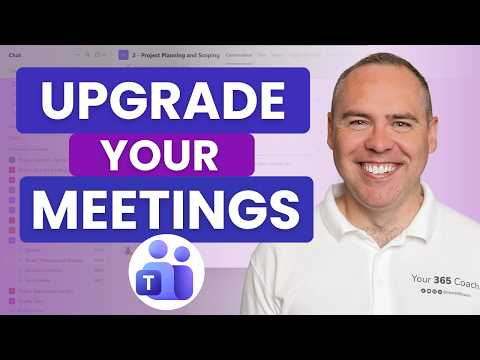
Microsoft Teams: 7 Features to Try
Helping you and your company achieve more in Microsoft 365
Microsoft expert: boost Teams meetings with Voice Isolation, Follow alerts, Cameo in PowerPoint and free transcripts
Key insights
- Voice Isolation: Turn on Voice Isolation in Teams audio settings before you join to remove background noise and make your voice clear.
Test this quickly at the start of a meeting to confirm your mic and environment sound right. - Follow Meeting: Use the Follow Meeting feature to get an automatic notification the moment a scheduled meeting starts.
This helps you join on time and avoid missing important openings or early agenda items. - In‑meeting Controls: Change meeting settings from inside the meeting to manage roles, lobby access, and permissions without leaving.
Adjust controls live to keep the meeting smooth and avoid interruptions. - Move the Sharing Toolbar: Drag the sharing toolbar away from your content so it never blocks slides or documents.
Reposition it to a clear corner to keep shared material fully visible to participants. - Annotate and Mark Up: Use live annotation tools to highlight, draw, or add notes on shared screens during presentations.
Invite participants to mark up content for faster, clearer collaboration and fewer follow-up messages. - Cameo and Meeting Transcripts: Use Cameo to embed your live video into PowerPoint slides for a more engaging presentation.
You can also get a full meeting transcript without a paid Copilot licence to review decisions and create searchable records.
In a recent YouTube video by Scott Brant, the presenter walks through seven practical ways to improve Microsoft Teams meetings and explains how everyday users can get more value from the platform. The video highlights straightforward steps, from cleaning up your audio to embedding your live camera feed into slides, and it demonstrates features many people have not tried. As a newsroom summary, this article outlines the main capabilities shown, explains what they do, and discusses tradeoffs and adoption challenges for teams. Overall, the guidance is aimed at making meetings clearer, more professional, and less stressful.
Audio and Joining: Clearer Sound and Timely Attendance
Scott emphasizes starting with better audio, showing how to enable Voice Isolation so participants hear your voice instead of background noise. This feature improves clarity in noisy environments and can reduce distraction for listeners, yet it may slightly alter natural room acoustics or require extra processing power on older devices. He also demonstrates the Follow Meeting option that notifies you the moment a scheduled meeting begins, which helps prevent late starts and missed sessions. While helpful, that setting can increase notification noise if someone follows many meetings, so users should balance convenience with notification management.
In-Meeting Controls and Usability
The video shows how to adjust meeting controls and settings from inside the live meeting rather than leaving to change options in the calendar entry. This makes it easier to manage roles, lobby settings, or participant permissions on the fly, improving responsiveness during unexpected situations. Additionally, Scott demonstrates moving the sharing toolbar so it no longer covers shared content, which reduces interruptions and keeps the audience focused on the material. The tradeoff is a slightly steeper learning curve, because moving menus and changing settings on the fly requires presenters to be comfortable with the interface under pressure.
Annotating and Real-Time Collaboration
Annotating shared screens and live content is another capability Scott highlights, allowing presenters and participants to mark up slides or documents during the meeting. This supports active collaboration, enables faster clarification of ideas, and helps participants stay engaged with visual cues. However, giving many people annotation rights can create clutter and confusion, so teams should decide who annotates and when to avoid derailing the presentation. Training and a brief meeting protocol can balance open collaboration with orderly discussion.
Presentation Enhancements with Cameo and PowerPoint
One of the more visual features Scott demonstrates is Cameo, which embeds a live video feed into PowerPoint slides so the presenter appears within the slide layout. This creates a more polished and personal presentation, and it can improve audience connection in webinars, training, or sales demos. On the other hand, adding live video to slides increases production complexity and may demand higher bandwidth and a modern Office build, so presenters should test setups before important meetings. When used well, Cameo and related presentation modes can make content feel dynamic without distracting from the core message.
Transcripts, Accessibility, and Record-Keeping
Scott also covers how to get a full meeting transcript without a paid Copilot license, which makes post-meeting review and documentation more accessible for many users. Transcripts improve accessibility for attendees who missed parts of the meeting, support note-taking, and create searchable records for future reference. Yet automatic transcripts are not perfect: they can misinterpret names or technical terms and raise privacy questions about recording and storage. Organizations should set clear policies for consent, retention, and transcript correction to ensure accurate and compliant meeting records.
Tradeoffs, Governance, and Adoption Strategies
The video underscores tradeoffs between feature richness and complexity: enabling everything at once can overwhelm users, while gradual adoption requires time and training from IT or champions. Scott’s walkthrough suggests starting with high-impact, low-friction changes like Voice Isolation and moving toolbar placement, then introducing presentation features such as Cameo after testing. Governance matters too, because settings that improve convenience may affect privacy, storage costs, and device performance; therefore teams should set guidelines for who can record, annotate, or enable transcripts. In practice, a phased rollout with short training sessions and quick reference guides tends to reduce friction and increase successful adoption.
In conclusion, Scott Brant’s video is a useful, practical guide to Microsoft Teams features that enhance meeting quality and productivity. By combining clearer audio, better in-meeting controls, live annotation, enriched presentations, and accessible transcripts, teams can make meetings more effective and inclusive. Nevertheless, successful use requires attention to device capabilities, user training, and governance to manage privacy and performance tradeoffs. Try one or two features first, measure their impact, and then scale changes across the organization for steady improvement.

Keywords
microsoft teams features, teams meeting tips, improve teams meetings, teams collaboration features, microsoft teams productivity tips, teams meeting settings, teams breakout rooms tutorial, teams live captions transcription