- All of Microsoft

Microsoft Agent 365: Control for AI
Microsoft Agent Three Sixty Five control plane for AI agents deploy, govern and secure with Azure telemetry
Key insights
- Agent 365 — control plane: Agent 365 is a central control plane that helps deploy, organize, and govern AI agents from Microsoft, open-source, or third-party platforms.
It treats agents like people by using your existing enterprise systems, apps, and protections to manage them at scale. - Unified observability & telemetry: Agent 365 provides telemetry, dashboards, and alerts so IT leaders can track every agent and remove blind spots.
Unified observability helps detect issues quickly and supports role-based reporting for IT, security, and business teams. - Registry & Agent Store: A single registry (Microsoft Entra registry) acts as the source of truth for all agents, including registration, usage, and security details.
Admins can quarantine unsanctioned or shadow agents, and users can discover approved agents via the Agent Store in Microsoft 365 Copilot and Teams. - Access control & Agent IDs: Every agent gets a unique agent ID so IT can enforce least-privilege access and limit what resources agents can reach.
Policy templates and adaptive, risk-based Entra controls allow organizations to set guardrails and block compromised agents in real time. - Visualization & analytics: The platform maps connections among agents, users, and resources and delivers actionable analytics to drive decisions.
Built-in performance metrics let leaders measure speed, quality, and ROI to guide deployments and improvements. - Security, interoperability & scale: Agent 365 helps prevent agent sprawl and enables secure governance without rebuilding trusted systems, supporting interoperability with existing frameworks.
With agents multiplying rapidly—IDC estimates 1.3 billion by 2028—scalable governance and security are essential for enterprise adoption.
Overview
In a recent YouTube video from Microsoft Copilot, the company introduced Agent 365, a control plane designed to manage AI agents across enterprises. The presentation framed Agent 365 as the next evolution of systems that already run business operations, and it positioned the product to work with Microsoft platforms, open-source frameworks, and third-party solutions. Moreover, the video emphasized unified observability, governance, and deployment as core aims, arguing that IT teams need a single place to see and act on agent activity. As the number and sophistication of agents grow, the message was that central control can reduce blind spots and lower operational risk.
What Agent 365 Promises
The video outlined that Agent 365 delivers telemetry, dashboards, and alerts so IT leaders can track every agent in their organization, including agents they build or bring in. Furthermore, presenters cited industry estimates suggesting massive growth in agent populations, and they used that projection to explain urgency: without a control plane, organizations may face unmanaged agent sprawl. The system is presented as a way to integrate agents into familiar enterprise infrastructure, allowing companies to "manage agents like people" by using existing identity, access, and protection tools. Consequently, the initiative aims to avoid rebuilding trusted systems while enabling broader AI adoption.
Registry and Access Control
First, the video described the Registry feature as a single source of truth for all agents, noting that it can list agents with Microsoft Entra agent IDs and register those available in the Agent Store. In addition, the registry can quarantine unsanctioned agents so that they cannot be discovered or connected to organizational resources, which helps IT teams limit exposure. Second, the presentation highlighted access control through unique agent IDs and policy templates, allowing organizations to enforce guardrails about who creates and manages agents. Thus, by applying the principle of least privilege and adaptive, risk-based policies, the platform aims to limit agents to only the resources they require.
Visualization, Interoperability, and Security
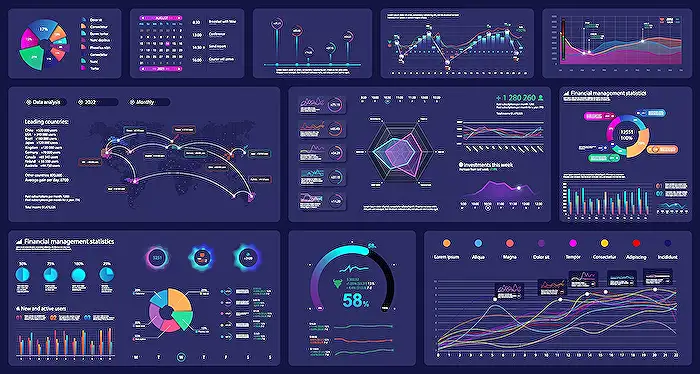
Besides inventory and controls, Agent 365 provides visualization tools: unified dashboards and analytics map connections among agents, users, and resources to produce actionable insights. Moreover, role-based reporting tailors metrics for IT, security, and business leaders so each group sees what matters most in their workflows. Interoperability was framed as essential, since many organizations will mix agents from different sources, and the control plane intends to support that mix without forcing rewrites. Lastly, the video stressed security features such as adaptive access policies and the ability to block compromised agents, which the company positioned as key to risk mitigation.
Tradeoffs and Implementation Challenges
However, the presenters acknowledged—and the video implicitly suggests—several tradeoffs. For example, centralizing observability and telemetry improves oversight but raises concerns about data volume, retention, and privacy; organizations must balance the benefits of visibility against storage costs and regulatory obligations. In addition, strict governance and extensive approval workflows can reduce risk but may slow innovation and frustrate developers who need to iterate quickly on agent designs.
Moreover, the promise to discover and quarantine shadow agents introduces operational complexity because identifying truly unauthorized agents across diverse environments is hard. Meanwhile, enforcing least-privilege access requires careful policy design and ongoing tuning, which consumes security and identity resources. Therefore, teams will need to weigh the cost of increased administration against the risks of unmanaged agents, and they should plan for phased adoption to manage both technical and cultural change.
What This Means for Organizations
For IT leaders, the video suggested that adopting Agent 365 could reduce blind spots and provide a governance foundation as agent use scales across departments. Developers and business leaders may gain easier discovery through the Agent Store and tighter integration with tools like Copilot and Teams, which could accelerate practical deployments. Security teams, meanwhile, will likely focus on integrating adaptive policies and measuring agent behavior to detect anomalies and protect sensitive resources. Ultimately, the balance between enabling new workflows and maintaining control will determine whether the platform delivers net value.
Conclusion
In summary, the YouTube presentation from Microsoft Copilot framed Agent 365 as a comprehensive control plane to register, secure, visualize, and govern AI agents at enterprise scale. While the platform promises to simplify oversight and support interoperability, organizations should carefully consider the tradeoffs in privacy, cost, and agility when planning rollout. As companies prepare to manage an increasing number of agents, the practical challenge will be aligning governance, identity, and developer workflows so that agents augment work safely and effectively.
Keywords
Microsoft Agent 365, Agent 365 control plane, Microsoft AI agents, control plane for AI agents, AI agent orchestration, enterprise AI agents platform, autonomous AI agents Microsoft, Agent 365 platform