- All of Microsoft
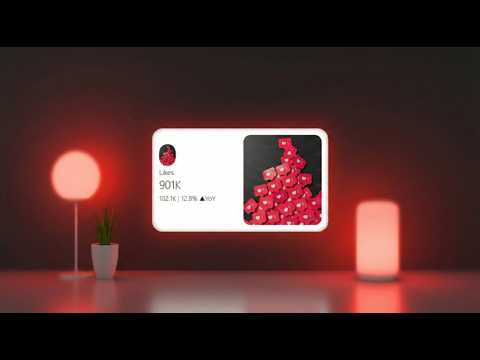
Power BI Card Visuals: Quick Guide 2026
Technical Lead - Business Intelligence • Microsoft Certified PL-300 • Data Analyst • Power BI Youtube
Power BI Card visual GA expert tutorial for SVGs and images, layout tips and reference label workarounds
Key insights
- New Card Visual: The updated Power BI Card replaces the old single-value card with a flexible container that shows multiple KPIs at once.
It is now generally available and supports richer layouts, images, and conditional formatting for clearer KPI storytelling. - Multi-KPI layouts: Choose from tile, table, vertical, or grid arrangements to fit your dashboard space and reading flow.
Use consistent padding, borders, and accent bars to keep multiple cards readable and visually balanced. - Reference labels: Reference labels show comparisons (for example, vs. last year or budget) but can be tricky to position and format.
Expect layout limits: test different card arrangements and use the documented workaround (place reference measures explicitly and adjust callout sizing) to keep labels readable. - Hero images & categories: Add a hero image, icon, or category header to give context (for example, manager photos or product icons) without cluttering numbers.
Keep images small and consistent, and prefer category text for accessibility and responsive layouts. - Three-step setup: 1) Add the new Card visual from the Visualizations pane. 2) Drag measures and category fields into the Value and Category wells to populate multiple cards. 3) Open Format and adjust layout, conditional formatting, images, and spacing.
Preview interactivity (drillthrough and filters) before publishing. - Best practices: Format cards in bulk, then tweak individual tiles for emphasis; use conditional colors and icons sparingly to avoid distraction.
Test on different screen sizes, limit heavy images to preserve performance, and document reference-label workarounds for future editors.
Overview: A new Power BI Card visual arrives
The YouTube video by Injae Park presents a detailed walkthrough of the newly released Card visual in Power BI. The presenter notes that the control is now generally available for 2026, and yet it remains challenging for many users to master. In the video, he demonstrates functions such as multi-KPI layouts, reference labels, and hero images while pointing out practical limitations. Consequently, the tutorial mixes clear steps with candid notes about what still needs improvement.
What the video covers
First, the video lays out the basic setup and the sample data used for the demo, and it shows how to create measures for common metrics like totals and variances. Then, the author moves through the Format pane to explain layout options such as grid, vertical, and tile arrangements, and he highlights how images and categories can be applied. Next, he focuses on the tricky parts: how reference labels behave, how they break in some layouts, and how to work around those issues. He also provides timestamps for each segment to help viewers jump to specific demonstrations.
Hands-on walkthrough and practical tips
During the walkthrough, Injae Park shows step-by-step actions: add the Card visual, drag measures into the Value well, and choose grouping with categories. He demonstrates conditional formatting for variance indicators and how to place a hero image to give a card visual context, which improves storytelling in reports. Moreover, he suggests using title and subtitle fields as a practical alternative when reference labels fail to render correctly. By showing actual PBIX examples, the presenter makes it easier for viewers to replicate the steps in their own reports.
Challenges and tradeoffs
However, the video emphasizes that flexibility comes with tradeoffs, and the new visual is no exception. For example, adding images and multiple KPIs improves readability and aesthetics, but it can complicate layout behavior and responsiveness across devices. In contrast, simpler single-value cards remain reliable and compact, though they lack the rich context that multi-card layouts offer. Therefore, report authors must balance visual richness against performance, predictability, and the need for consistent rendering on different screens.
Reference labels and common workarounds
A core portion of the video dives into the persistent problems with reference labels, which sometimes refuse to display in certain configurations or behave inconsistently with conditional formatting. As a workaround, the presenter recommends using title and subtitle spaces or separate measures to simulate the same comparative indicators. He also explains that while conditional icons and colors are powerful, they require careful testing to avoid misleading viewers when values or contexts change. As a result, the pragmatic approach is to prototype cards with representative data and test them in the final report environment.
Best practices and recommendations
To help teams adopt the visual, the video offers several practical recommendations that blend design sense with technical caution. For instance, use categories when you want grouped cards with consistent headers, but keep image sizes modest to avoid layout shifts and slow rendering. Additionally, format cards in bulk for consistent styling, and then fine-tune individual cards where necessary to preserve clarity and alignment. Finally, the author suggests keeping an eye on updates, since the visual continues to receive refinements and bug fixes.
Balancing design goals and performance
In the broader context, the tutorial makes it clear that report authors must balance competing goals: aesthetics, information density, and performance. While hero images and multiple KPIs boost engagement, they may also increase cognitive load for users who need quick answers. Conversely, minimal cards offer speed and clarity but sacrifice storytelling and context. Therefore, the video recommends tailoring the approach to the audience and the scenario, choosing richer cards for executive summaries and simpler cards for operational dashboards.
Conclusion: Valuable but evolving
Overall, the YouTube guide by Injae Park is a useful resource for practitioners who want to adopt the new Card visual and learn practical workarounds for current issues. It combines hands-on steps with honest assessments of the visual’s limits, which helps teams make informed choices. Although the visual brings modern features and layout control, the video stresses the need for careful testing and thoughtful tradeoffs between form and function. As a result, the tutorial serves both as a how-to and a reality check for anyone building Power BI reports today.

Keywords
Power BI card visual tutorial, card visual Power BI tutorial, Power BI card formatting tips, create KPI card in Power BI, single number card Power BI guide, dynamic card visual Power BI, Power BI measure card tutorial, card visual best practices Power BI