Microsoft Fabric Project Rayfin: start a data app
Founder | CEO @ RADACAD | Coach | Power BI Consultant | Author | Speaker | Regional Director | MVP
Project Rayfin gives developers a code-first way to build and deploy a Fabric app backend with TypeScript.
Key insights
- Rayfin is an SDK and CLI for defining Fabric app data models and backend logic in TypeScript.
- The research notes describe generated APIs, authentication, access policies, and managed Fabric backend services.
- Start a project with `npm create @microsoft/rayfin@latest my-app`, or initialize an existing directory with `npx rayfin init`.
- Fabric Apps are described as being in preview; licensing, regional availability, and detailed prerequisites are not stated.
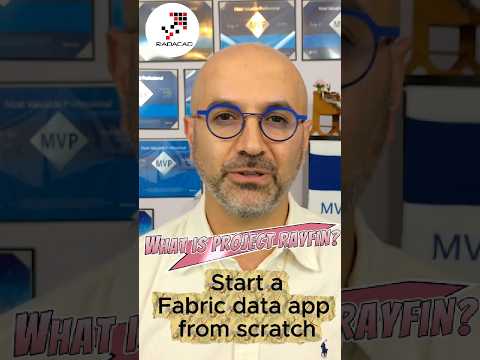
Project Rayfin gives developers a code-first way to define and deploy a data-app backend in Microsoft Fabric. It is aimed at developers building applications that need structured data, APIs, and access controls alongside Fabric data and analytics. Reza Rad (RADACAD) [MVP] is the source of a YouTube Short about starting a Fabric data app from scratch.
What it does
Rayfin is described in the research notes as an open-source software development kit and command-line interface for building Fabric apps. Developers define a model, relationships, policies, and application logic in TypeScript, then deploy the backend to Fabric. The notes describe the resulting app as using managed Fabric services, including database capabilities, generated APIs, authentication, and application hosting.
The practical distinction is that the application’s operational data can sit in the Fabric environment rather than in a separately assembled backend. The notes also describe connecting that data with Fabric analytics and AI workloads. This makes Rayfin relevant to teams that want application code and data structures in source control, rather than creating the whole backend through graphical configuration.
Who it is for and what you need
Rayfin is for developers creating code-first applications and for teams that use coding agents in their development workflows. The research notes say the frontend can be developed locally while the backend is deployed to Fabric. They do not specify required Fabric capacity, user licenses, tenant settings, or supported regions.
The notes characterize Fabric Apps as being in preview. They do not establish the rollout scope or identify a production support commitment, so teams should verify current product guidance before making deployment plans. No official Microsoft documentation URL was included in the supplied sources.
How it works
The supplied research notes give these starter commands for a new project:
- Run to create a project, then run .
- For an existing or empty directory, run to initialize Rayfin.
- Run to start the development workflow.
From there, the developer defines the app’s data model and backend behavior in code. The notes say Rayfin generates APIs and deploys the backend to Fabric, while the frontend can be worked on locally. The supplied material does not give a complete deployment command sequence or the exact Fabric interface steps for provisioning and managing an app.
Limitations and open questions
The available source material does not specify licensing, capacity requirements, supported regions, or how to enable preview access. It also does not verify the command workflow in a live environment. Treat the commands and capabilities here as a starting outline, and check current Microsoft guidance before adopting Rayfin for a production workload.
Sources
Frequently asked questions
What is Microsoft Fabric Project Rayfin?
Rayfin is described as an open-source SDK and CLI for defining and deploying a Fabric app backend. Developers define data models and application logic in TypeScript.
How do I start a Rayfin project?
The supplied research notes give `npm create @microsoft/rayfin@latest my-app` for a new project, followed by `cd my-app`. For an existing directory, they give `npx rayfin init`.
Is Project Rayfin generally available, and what license do I need?
The research notes describe Fabric Apps as in preview. They do not specify required licenses, capacity, or regional availability.