- All of Microsoft
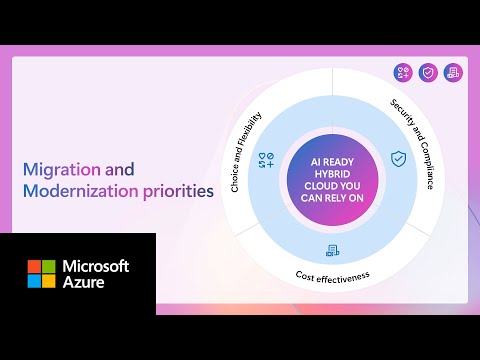
Linux on Azure: Your AI-Ready Foundation for Tomorrow
Azure migration, Linux on Azure, AI readiness, flexibility, security, cost-effectiveness, innovation, scalability.
Key insights
- Linux Migration: Organizations can move their existing Linux workloads to Azure with minimal disruption, using Microsoft’s migration tools and best practices. This makes the transition smoother and helps maintain business continuity.
- Flexibility and Openness: Azure supports many Linux distributions and open-source tools. This allows businesses to use their preferred software stack while also taking advantage of Azure’s cloud services.
- Security Features: Built-in security features on Azure include continuous monitoring, compliance certifications, and detailed access controls. These help protect sensitive data and AI models running on Linux systems.
- AI Readiness: Azure provides specialized infrastructure like Azure AI Foundry and Azure Machine Learning. These services simplify building, training, deploying, and managing AI models on migrated Linux workloads.
- Scalability and Modernization: Moving Linux workloads to Azure enables easy scaling as demand grows. Businesses can modernize legacy environments by adopting cloud-native architecture, automation, and DevOps practices for better performance.
- Advanced Integration & Innovations: Recent updates include support for agentic AI platforms (like Azure AI Foundry Agent Service) that automate complex tasks. Integration with advanced hardware (such as NVIDIA Grace Blackwell systems) accelerates AI training. Tools like the new model router in Azure AI Foundry help select the best OpenAI models automatically, optimizing costs and results.
Microsoft Azure has released a detailed update on its ongoing efforts to help organizations build an AI-ready foundation using Linux on the Azure cloud platform. The recent you_tube_video delves into the migration journey, examining the driving factors behind adopting Linux on Azure and the unique benefits it provides. The presentation also highlights new features and services unveiled at Microsoft Build 2025, which aim to optimize AI workloads and foster innovation.
The Rationale for Migrating to Linux on Azure
Organizations are increasingly seeking platforms that offer flexibility, robust security, and cost-effectiveness. According to the Microsoft Azure video, these factors are among the primary drivers for migrating Linux workloads to the Azure cloud. Azure’s support for a wide range of Linux distributions and open-source tools ensures that companies can continue using their preferred software stacks while benefiting from cloud-based scalability.
The migration process is further simplified by Azure’s built-in security features, such as continuous monitoring and granular access controls. This not only protects sensitive data but also helps organizations maintain compliance with regulatory standards. Additionally, Azure’s pay-as-you-go pricing model allows businesses to optimize their IT spending, scaling resources as needed to meet fluctuating demands.
Modernization and AI Readiness
Beyond migration, the video emphasizes the importance of modernization for long-term success. Azure enables organizations to transition legacy Linux environments to a more cloud-native architecture, which supports automation and modern DevOps practices. By doing so, businesses can take advantage of the latest innovations in cloud computing and artificial intelligence.
Azure’s integrated AI services, such as Azure AI Foundry and Azure Machine Learning, further streamline the development and deployment of AI models. Once workloads are migrated, these tools make it easier to build, train, and manage AI applications. This not only accelerates time-to-market but also positions organizations to remain competitive in a rapidly evolving landscape.
Key Innovations Introduced at Microsoft Build 2025
One of the most significant updates discussed in the video is the introduction of agentic AI services. For example, the Azure AI Foundry Agent Service now allows organizations to automate complex business processes by integrating advanced AI agents directly into their workflows. This represents a major step forward in operational efficiency and digital transformation.
In addition, Azure’s partnership with NVIDIA has resulted in the deployment of interconnected Grace Blackwell systems, providing cutting-edge hardware acceleration for AI training and inferencing. These advancements ensure that Linux workloads on Azure can leverage world-class compute resources, which is essential for organizations aiming to develop sophisticated AI solutions.
Enhanced Data Management and Lifecycle Support
Managing vast amounts of data is a core challenge for AI-driven organizations. The video outlines how Azure Cosmos DB (NoSQL) integration within Microsoft Fabric and Azure AI Foundry simplifies the handling of unstructured and semi-structured data. This capability is vital for modern AI applications, which often rely on diverse and complex datasets.
Moreover, the new model router in Azure AI Foundry automatically selects the most suitable Azure OpenAI models for different tasks. This optimization not only improves AI performance but also helps control operational costs. Comprehensive lifecycle support through Azure Machine Learning and Azure AI Foundry ensures that organizations can manage every phase of the AI development process, from experimentation to deployment and monitoring.
Balancing Flexibility, Security, and Innovation
Despite these advancements, organizations must carefully balance flexibility, security, and the need for rapid innovation. While Azure’s open and interoperable environment supports a broad array of open-source technologies, integrating these tools with existing systems can present challenges. Businesses must invest in proper change management and staff training to fully realize the benefits of modernization.
At the same time, the tradeoff between cost and performance remains a central consideration. Although Azure’s scalable infrastructure and AI services reduce upfront investment, ongoing costs can rise as organizations scale up usage. Therefore, leveraging Azure’s resource management and monitoring tools becomes essential for maintaining efficiency.
Looking Forward
In summary, the you_tube_video from Microsoft Azure provides valuable insights into building an AI-ready foundation with Linux on Azure. By focusing on flexibility, security, modernization, and powerful AI integration, Azure offers a compelling solution for organizations aiming to stay ahead in the digital era. However, as with any major technology shift, careful planning and strategic investment are critical to balancing the many factors involved—and to unlocking the full potential of AI on the cloud.

Keywords
AI-ready Linux Azure cloud computing machine learning DevOps open source scalability security