- All of Microsoft
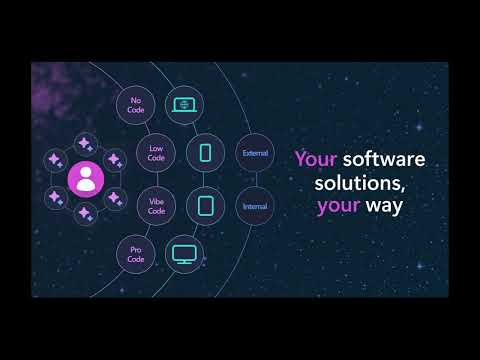
Power HUG: Session 22 Recap & Highlights
Discuss topics such as Automation, Low-Code, Citizen Development, AI, COE, Azure, Governance, Licensing, HIPAA Comp,etc
Power Platform PPCC recap with Power HUG insights on new features, behind-scenes stories and tips for makers and admins
Key insights
- Power HUG Session #22 — PPCC Recap
Concise video recap of the 2025 Power Platform Community Conference, highlighting top product news, memorable moments from the show floor, and practical takeaways for makers and leaders. - Power Platform core tools: Power Apps, Power Automate, Power BI, Power Pages, Copilot Studio, and Microsoft Fabric.
The session explains how these components work together to build apps, automate workflows, analyze data, create portals, and deploy AI agents on a unified data backbone. - Agentic AI and Copilot Studio
New emphasis on agentic AI: multi-turn, context-aware agents that act autonomously to recommend, decide, and execute tasks. Copilot Studio now makes it easier to design and manage these intelligent assistants for business scenarios. - Platform updates for admins and makers
Notable additions include Dynamic Discovery for MCP connections, new granular admin roles, improved maker inventory tracking, and CUA (Custom User Actions) to tailor workflows and governance. - Business advantages
Faster innovation and lower time-to-value, stronger AI-powered automation, and better role- or industry-specific Copilots that free staff to focus on higher-value work while maintaining governance and visibility. - Community and next steps
Power HUG encourages attending PPCC events like PPCC 2026, sharing use cases, and joining community sessions to learn best practices and connect with makers, MVPs, and partners.
Overview of the Session
The YouTube recap from Power HUG, titled “PPCC Recap Insights, Highlights & Fun,” walks viewers through the main takeaways from the 2025 Power Platform Community Conference. In a panel-style format, the hosts summarize announcements, demo highlights, and community moments, aiming to give both attendees and those who missed the conference a clear sense of what mattered most. The video balances technical updates with human stories, helping viewers understand both the product roadmaps and the conference culture. As a result, the session serves as a compact briefing for makers, admins, and business leaders who want to stay current.
What’s New from Microsoft
The session emphasizes the growing role of Agentic AI and its integration across the Power Platform, in particular through Copilot Studio. Presenters describe how Copilot agents can now handle multi-turn conversations, act on business context, and integrate into Office clients like Word and Excel, which promises more seamless, AI-driven assistance in everyday tools. They also highlight administrative updates such as new admin roles, dynamic discovery for server connections, and enhanced maker inventory features that improve governance and visibility.
Moreover, the recappers point to tighter data integration through Microsoft Fabric as a backbone for analytics and AI, which supports richer, real-time decision-making. The video notes practical updates like Custom User Actions (CUA) and industry-tailored Copilots that let organizations tailor experiences to specific roles, from supply chain to customer service. These changes aim to make the platform both more powerful and more manageable at scale, but they also introduce new planning needs for teams adopting them.
Benefits and Tradeoffs
The presenters underline clear benefits: faster app delivery with Power Apps, workflow automation with Power Automate, and deeper insights through Power BI. They argue that combining low-code tools with intelligent agents can accelerate transformation by shifting routine decisions and tasks from people to systems, which frees staff to focus on higher-value work. At the same time, the session addresses tradeoffs, noting that greater automation and autonomy bring governance, security, and change-management challenges.
For instance, while agentic systems can act independently, organizations must invest in policies, monitoring, and clear role definitions to avoid unintended outcomes. There is also a tension between empowering makers with low-code tools and maintaining enterprise control; increased maker autonomy may improve speed but can complicate inventory and compliance unless teams apply disciplined governance. Thus, the benefits come with responsibilities around data hygiene, role-based access, and robust testing.
Community Highlights and Stories
Beyond technical updates, the video celebrates the human side of the conference and the strength of the Power HUG community. Panelists share behind-the-scenes anecdotes that highlight networking, mentorship, and practical problem solving that occurred on the conference floor, showing how peer connections often spark new ideas and collaborations. These stories emphasize that community practices—such as sharing templates, holding informal demos, and running local user groups—remain a vital part of platform adoption and improvement.
Moreover, the session demonstrates how community input influences product direction and feature prioritization, making the platform more responsive to real-world needs. However, the presenters also caution that community-driven solutions can vary in quality and may require curation, which again points to the need for governance and centralized guidance to ensure reliable, reusable assets. Overall, the blend of technical depth and community energy is a recurring theme in the recap.
Practical Next Steps and Challenges
The video closes with pragmatic advice for attendees and viewers planning for PPCC 2026: prepare an agenda, prioritize sessions that match your role, and invest time in follow-up to convert conference learnings into projects. Panelists recommend cataloging maker-created assets, reviewing the new admin roles for finer governance, and piloting Copilot agents in low-risk scenarios to assess value and safety before wider rollout. These steps help teams weigh speed against control while learning how to scale new capabilities.
Finally, the session acknowledges persistent challenges such as aligning stakeholders, ensuring data quality, and managing cultural change when introducing agentic AI. Yet, the presenters argue that with clear governance, practical pilots, and continued community engagement, organizations can reap the rewards of higher productivity and better decision-making. In summary, the Power HUG recap video offers a balanced, actionable look at the conference takeaways, and it provides a useful roadmap for teams deciding how to adopt the latest Power Platform innovations.

Keywords
Power HUG Session 22, Microsoft Power HUG, PPCC recap, Power Platform highlights, Power HUG insights, Power Platform community recap, Power HUG fun moments, Microsoft Power Platform session