Power HUG: Automation Meets Compassion
Discuss topics such as Automation, Low-Code, Citizen Development, AI, COE, Azure, Governance, Licensing, HIPAA Comp,etc
AppealSense uses Microsoft Copilot Studio and Power Platform to automate appeals, boosting compliance, speed, compassion
Key insights
- Session & presenter: Power HUG Session #23, presented by Abhijeet Premkumar at Microsoft, showcased the AppealSense AI solution.
It highlights how AppealSense AI, built on Power Platform and Copilot Studio, automates appeals and grievances for payors. - Core message: The talk framed intelligent automation as a way to support, not replace, caregivers.
Designs focus on preserving compassionate care and keeping clinicians in control with human-in-the-loop oversight. - Key technologies: The session emphasized agents, Copilot, Power Automate, Power Apps, and Azure AI as primary building blocks.
These tools combine to create conversational, context-aware assistants and automated workflows. - Practical patterns: Examples included conversational agents for intake and triage, automated documentation and summarization, and care coordination flows for follow-up.
Embedding Copilot in clinician tools surfaces guidance and patient context at the point of care. - Benefits for healthcare: Automation reduces administrative work and helps lower clinician burnout while improving patient access.
Teams gain consistency, faster decisions, and a governed platform that supports scalability across care settings. - Payor impact: AppealSense automates intake, analysis, and recommendations for appeals and grievances, enabling faster resolutions and improved compliance.
Organizations can improve the member experience and let staff focus on outcome-driven work rather than paperwork.
In a recent YouTube presentation by Power HUG, Microsoft presenter Abhijeet Premkumar showcased how intelligent automation can meet compassionate care through an AI solution called AppealSense AI. The video frames automation as a tool to reduce paperwork and cognitive load so clinicians can focus more on patients. Moreover, the session emphasized practical integration using Power Platform, Copilot Studio, and Azure AI components. As a result, the presentation offered both technical detail and care-centered thinking for healthcare teams exploring automation.
Overview of the Session
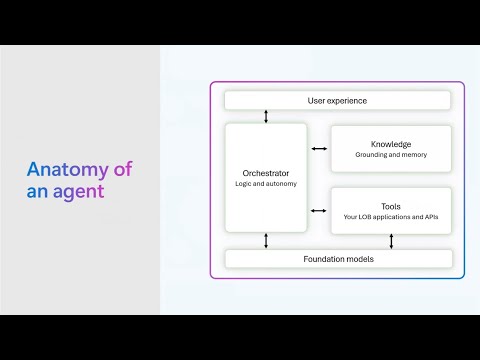
The session, titled “Intelligent automation meets compassionate care,” explained how combining agents, Copilot, Power Automate, Power Apps, and Azure AI can improve care workflows. Presenters argued that automation should augment, not replace, human caregivers so clinicians spend more time on human-to-human interactions. They also highlighted the role of the Power Platform as the managed integration surface where apps and agents operate together under governance. Finally, the talk positioned these tools as ways to speed up routine tasks while preserving clinical oversight.
Throughout the video, the team demonstrated how context-aware conversational assistants and embedded copilots support triage, documentation, and follow-up tasks. In addition, the session stressed rapid product updates and low-code options that let creators iterate without deep engineering. Consequently, healthcare teams can prototype and scale automation more quickly than traditional custom software cycles. This velocity offers clear potential, especially for organizations facing urgent operational pressures.
What AppealSense AI Does
AppealSense AI was presented as an AI-driven platform for managing appeals and grievances in payer settings, automating intake, analysis, and recommended actions. The system uses machine understanding to triage cases, suggest next steps, and route work to the right teams, which speeds resolution and improves consistency. Moreover, the platform integrates with existing workflows so teams can focus on outcomes rather than manual paperwork. As a result, the solution promises faster decisions, better compliance, and an improved member experience.
Importantly, the presenters showed how copilot-style assistants can surface relevant patient or claim details at the point of decision making. This reduces the need for clinicians or reviewers to hunt through records and lowers the risk of missed information. In addition, automated summarization tools can transform unstructured notes into structured fields that fit electronic health records. Thus, documentation load drops while information quality rises, helping clinical staff and administrators alike.
Practical Use Cases in Care Workflows
The video highlighted conversational agents for patient intake and triage, which capture patient-reported symptoms and prioritize cases before escalation. Consequently, these agents can increase throughput and reduce waits while ensuring urgent issues escalate to clinicians. Another practical pattern involved automated documentation and summarization to offload charting tasks and reduce clinician burnout. Furthermore, Copilot integrations in clinician tools can prompt relevant protocols and histories exactly when needed, improving decision support at the bedside.
Follow-up and care-coordination automations also featured in the presentation, with examples of post-discharge reminders and referral tracking that reduce dropped handoffs. This orchestration can lower readmission risks and improve continuity of care by ensuring tasks complete reliably. Additionally, low-code building blocks let operational teams customize flows for ambulatory clinics, hospitals, or long-term care settings. Therefore, the same automation patterns can scale across different care contexts with reasonable adjustments.
Tradeoffs and Operational Challenges
Despite clear benefits, the session acknowledged tradeoffs around safety, oversight, and governance when deploying AI in regulated care settings. On the one hand, automation reduces variability and error in routine tasks, but on the other hand, it can introduce new failure modes if models drift or context is misunderstood. Therefore, maintaining a human-in-the-loop approach and robust monitoring becomes essential to balance efficiency and safety. In addition, organizations must weigh speed of deployment against the need for careful validation and change management.
Another challenge is aligning automation with existing clinical workflows and EHR systems, which often vary widely across providers. While the Power Platform offers integration points, teams still face data mapping, privacy, and compliance requirements that take time to resolve. Moreover, creators need governance guardrails so clinicians retain control and accountability, and so automated advice remains auditable. Thus, technical, regulatory, and cultural factors all influence successful adoption.
Implications and Next Steps for Health Organizations
For health systems and payors considering these approaches, the presentation underscored the value of starting small with clear measures for safety and impact. Pilot projects that target high-burden administrative tasks yield quick wins, and iterative refinement helps teams build trust in automation. At the same time, investment in governance, clinician training, and monitoring is not optional; organizations must plan for ongoing oversight and model updates. Consequently, a measured approach balances innovation speed with patient safety and compliance.
In summary, the Power HUG video and Abhijeet Premkumar’s demonstration make a compelling case for intelligent automation that respects the human aspects of care. By combining conversational agents, Copilot experiences, and low-code automation on a managed platform, teams can reduce administrative burden while preserving empathy and oversight. However, success depends on thoughtful governance, robust integration, and realistic expectations about tradeoffs. Ultimately, the story points toward a future where technology frees clinicians to do what they do best: care for people.

Keywords
intelligent automation healthcare, compassionate care automation, Microsoft Abhijeet Premkumar, Power HUG session, AI for caregiving, healthcare RPA and AI, empathy-driven automation, clinical workflow automation