GPT-5.2: OpenAI-Disney Tie & Fallout
Artificial Intelligence (AI), Open Source, Generative Art, AI Art, Futurism, ChatGPT, Large Language Models (LLM), Machine Learning, Technology, Coding, Tutorials, AI News, and more
Microsoft: GPT five point two, OpenAI Disney deal, Deepseek controversy, Meta closed-source — use Azure AI and Copilot
Key insights
- Disney and Sora: OpenAI secured a major licensing deal with Disney that includes a $1 billion equity component and plans to roll Sora-generated short-form videos on Disney+ in early 2026; both companies stress responsible use, limits on sensitive content, and protections for talent likenesses.
- Microsoft, Azure and OpenAI impact: Microsoft benefits indirectly as OpenAI’s primary cloud partner—expect increased Azure API usage, potential integrations with Microsoft productivity tools, and faster enterprise adoption through validated commercial workloads.
- GPT-5.2 status: Public details remain limited and unconfirmed; speculation centers on stronger multimodal and video capabilities, but official feature lists and release timing are not yet verified.
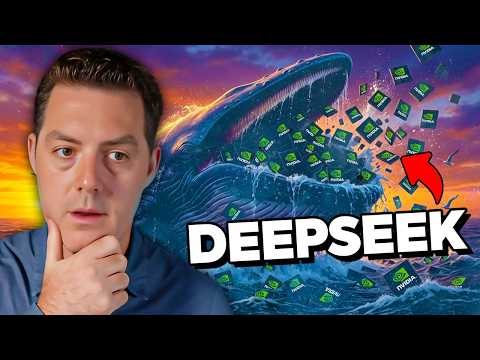
- DeepSeek controversy: Debates focus on unclear data use practices and demands for better creator rights and transparency; the episode highlights ongoing tensions between rapid model training and fair compensation or attribution for original creators.
- Meta shifts to closed-source: Reports show Meta pivoting from open-source models toward proprietary, revenue-focused AI offerings, raising concerns about reduced transparency and changes to developer access and community research dynamics.
- Other product notes: Adobe announced tighter ChatGPT integration for creative workflows; Runway Gen-4.5 advances short-form video generation; and Rivian Autonomy showcased its roadmap at AI Day—together these updates signal faster adoption of generative tools across media, design, and automotive sectors, while unions and creators continue to press for safeguards.
Summary of the Video
The YouTube video by Matthew Berman surveys recent AI developments and frames them in a concise news roundup. It focuses on headline stories such as the OpenAI partnership with Disney, whispers about GPT-5.2, and a number of industry controversies. Moreover, the video moves rapidly through related items like new creative tools and corporate shifts, offering timestamps for each segment. Consequently, viewers get a compact briefing rather than deep technical analysis.
Disney and OpenAI: What the Deal Means
Berman highlights a major licensing arrangement that centers on Sora, OpenAI’s short-form generative video platform, and notes that Disney is positioning itself as a premier studio partner. He explains that Disney plans to use the platform for curated content on its streaming service and for internal productivity tools, and he stresses that the deal includes financial investment and IP licensing elements. This move signals a step from experimental demos toward commercial deployment of AI-generated character content, which could reshape how studios scale short-form media.
However, Berman also addresses clear tradeoffs. On one hand, Sora can cut production costs and accelerate content creation, enabling rapid fan engagement and personalized experiences. On the other hand, the arrangement raises questions about creative control, labor displacement, and the preservation of artists’ rights, especially given industry pushback on earlier AI usage. Therefore, the partnership presents both business opportunity and cultural complexity for stakeholders.
Technical Developments and Product Notes
In addition to the Disney announcement, the video touches on platform and model news, including speculation around GPT-5.2 and other toolchain updates. Berman treats the version talk cautiously, noting that public roadmaps often evolve and that concrete details were scarce at the time of the recording. He further mentions emerging tools from companies such as Adobe and Runway, which are refining multimodal features that integrate image, video, and text workflows.
Moreover, Berman points out practical tradeoffs when teams adopt these newer tools. For example, higher fidelity outputs often demand more compute and stricter governance, while lighter models scale better but can lose nuance. Thus, organizations must balance quality, cost, latency, and safety when choosing which models and services to deploy for creative work and enterprise use.
Controversies, Closed-Source Shifts, and Ethical Challenges
The video also covers several controversies that reflect broader tensions in the industry. Berman outlines the DeepSeek dispute and explains that concerns center on training data, consent, and attribution, which remain unresolved in many settings. He emphasizes that while new search and generation tools offer utility, they also amplify worries about copyright compliance and the rights of original creators.
Similarly, Berman reports that some large firms have moved toward closed-source, monetized models, a shift that he connects to recent decisions at companies like Meta. While closed-source approaches can accelerate commercial sustainability and tighter control over misuse, they also reduce transparency and slow academic scrutiny. Consequently, regulators, researchers, and customers face a difficult balance between fostering innovation and maintaining public oversight.
Furthermore, labor concerns appear throughout the segment, with unions and creative professionals wary of automation. Berman notes that safeguards such as limits on likeness and voice use help, but they do not fully address the economic displacement risk. Therefore, industry players must combine technical guardrails with contractual and policy solutions to mitigate harm while allowing new creative possibilities.
Industry Impact and What to Watch Next
The video closes by situating these developments in the wider market, including mentions of automotive AI and autonomy efforts such as those from Rivian. Berman suggests that innovation is accelerating across sectors, and that partnerships between content owners and model providers will become more common. As a result, companies will likely experiment with hybrid strategies that mix licensing, in-house development, and cloud services.
Looking ahead, Berman advises viewers to track how companies implement governance, how unions negotiate protections, and how transparency evolves around model training and datasets. He also encourages attention to product-level tradeoffs: firms must decide when to favor open research versus commercial control, and when to prioritize speed over explainability. Ultimately, the video offers a balanced snapshot that underscores both the promise and the practical challenges of rapidly advancing AI tools.

Keywords
OpenAI Disney collaboration, GPT-5.2 update, Deepseek controversy, Meta closed-source AI, AI industry news, generative AI breakthroughs, AI ethics and transparency, AI model regulation