- All of Microsoft

User Stories & Backlog Refinement in Apps: Insights with Dani Kahil
Helping you ideate and design solutions using The Power Platform & Dynamics 365 - Facilitator | Coach | Microsoft MVP
Neil Benson & Dani Kahil delve into Azure DevOps and Jira, discussing efficient backlog management & user story enhancement.
Host Neil Benson is joined by Ami Diamond for an insightful discussion on managing backlogs and enhancing user stories in Azure DevOps and Jira. Neil shares his experiences with Jira, pinpointing some challenges with its setup, while Ami shows a strong liking for Azure DevOps. They delve into the structure of backlog items like epics and features.
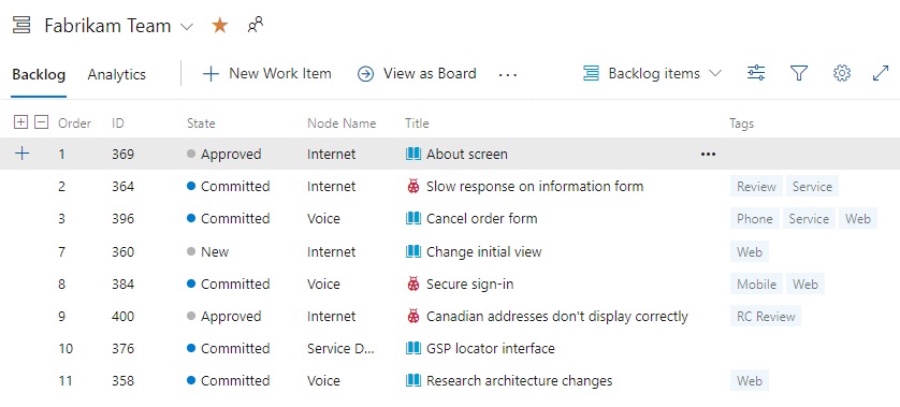
Ami and Neil explore different methods for tracking progress using a Kanban board. Their dialogue underscores the importance of refining user stories, enriching them with detailed acceptance criteria, and selecting features strategically based on their value. A deep dive into effective backlog management is at the heart of their exchange.
The conversation turns to the significance of fast value delivery and ongoing improvements in functionality. Tune in for a talk filled with actionable advice and insights for streamlining the process of managing backlogs. This engaging deep dive offers numerous tips for those looking to enhance their development workflow.
The Importance of Effective Backlog Management
In the realm of project management and workflow optimization, the process of managing backlogs is pivotal. Backlogs serve as a dynamic to-do list for development teams, holding tasks ranging from minor bug fixes to new feature developments. Developers, using Developer Tools like Azure DevOps and Jira, prioritize work items to ensure that the team's efforts are aligned with project goals.
Effective backlog refinement involves breaking down larger tasks into smaller, manageable user stories that clearly define the scope of work expected. This practice leads to better estimation of work, clarification of requirements, and, ultimately, a more efficient development process. Prioritizing tasks based on their projected impact delivers value to users more rapidly and improves the end product.
Moreover, using visual aids like Kanban boards can significantly enhance the tracking and progress monitoring of each task within a backlog. These boards enable teams to visualize workflow, identify bottlenecks, and push for continuous delivery of quality features. Regularly refining and updating the backlog also ensures that the team adapts to changing project needs and user feedback, thereby keeping the project on track and relevant.

Learn about Amazing Apps – Unpacking User Stories and Backlog Refinement with Dani Kahil
Understanding the Intricacies of User Stories and Backlog Management in Azure DevOps and Jira
In sophisticated project management platforms like Azure DevOps and Jira, the focused approach in dealing with backlog items and user stories is cardinal. Neil Benson’s meeting with Dani Kahil provides us with an enriching conversation on this aspect. Neil brings to light some intricacies in configuring Jira and expounds on how to effectively manage backlogs and improve user stories.
Dani likewise, carrying a strong inclination towards Azure DevOps, helps elucidate the somewhat complex structure of backlog items and their significance. The structure is a definite hierarchy, comprising epics, features, user stories, and tasks. Both Dani and Neil underscore the importance of different strategies in tracking the progression through a Kanban board, a modern system for visualizing work and flow.
Digging deeper, they discuss how user stories must be constantly refined
- enriched with the necessary acceptance criteria
- tasks and features should be prioritized based on their value to the end-users or team.
In this arena, the Agile methodology comes into play.
It suggests that value should be released as quickly as possible for users to iterate functionality. This also allows you to refine based on user feedback. It is also discussed that early iterations lead to high-quality, user-focused end products, and underlines the importance of DevOps in timely delivering value.
No doubt, backlog management is a vital aspect of any project, more so, in software development. It necessitates a robust understanding of workflows and meticulous prioritization to utilize resources optimally.
Digging deeper into software project management
The broad domain of software project management encompasses more than what meets the eye. It is not just about handling tasks or aligning resources, but it also involves strategic planning, effective collaboration, and constant adaptation. Approaches like backlog management and refining user stories in platforms like Azure DevOps and Jira stand testament to this. With focused refinement and strategic prioritization, these tools can bolster efficiency, facilitate better and frequent feedback loops, and ultimately lead to high-performing teams and successful projects.
More links on about Amazing Apps – Unpacking User Stories and Backlog Refinement with Dani Kahil
- Unpacking User Stories and Backlog Refinement with Dani ...
- 6 days ago — Neil shares his experiences with Jira, highlighting some configuration challenges, while Dani expresses a strong preference for Azure DevOps.
- Amazing Applications - build Dynamics 365, Power Apps and P
- Host Neil Benson is joined by the talented Dani Kahil for an insightful discussion on managing backlogs and enhancing user stories in Azure DevOps and Jira.
- Dani Kahil
- Amazing Apps – Unpacking User Stories and Backlog Refinement with Dani Kahil. Host Neil Benson is joined by Dani Kahil for an insightful discussion on ...
Keywords
Amazing Apps, User Stories, Backlog Refinement, Dani Kahil, App Development, Unpacking Stories, User Experience, Software Engineering, Agile Development, Product Backlog